
Cooling systems now fit into daily life across houses, workplaces, stores, because heat often pushes limits. As mercury climbs, that unit fights hard to hold steady a bearable room feel. Machines wear down unless someone checks them now then. Experts step in before small hiccups grow louder. Routine care keeps air flow smooth without surprise breakdowns.

Season after season, folks fire up their AC units while dust piles up inside, parts wear down, refrigerant dips too low, yet filters stay blocked – each issue creeping under the radar. Cooling power fades slowly when gunk gathers in hidden corners, metal fatigues from constant cycling, fluid slips away unnoticed. Electricity costs climb because machines strain harder just to keep pace with summer heat. Stale smells drift out of vents as mold takes hold where moisture collects behind panels. Breakdowns strike at peak demand times, leaving homes sweltering when help is hardest to find. Repairs pile up later, pricier than routine checks ever would have been.
A technician checks the system first – eyes scanning every part. Not merely filter wiping, though that happens too. Wires get tested when refrigerant levels are measured at the same time. Moving through steps without skipping any. Each piece inspected like it matters because it does. Tools come out after the initial walkaround. Deep cleaning follows where grime builds up unseen. Nothing overlooked even if it looks fine on the surface.
Picture this – every twist in cleaning an AC hides a reason it lasts longer. Step by step, clues unfold on what pros actually do. One thing leads to another: filters pull out dust, coils stay clean, airflow wins. Money slips back into your pocket when machines run smooth. Little habits stack up, year after year. Surprises hide in routine checks nobody sees. Each move ties to life span like links in a chain barely noticed.
Professional AC servicing matters Why get a pro to handle this?
Knowing the reason changes how you see each step that follows.
- Maintains Cooling Efficiency
Dirt slowly builds up on filters, coils, and fans as days pass. Because of this buildup, air cannot move freely anymore. When airflow drops, so does the system’s ability to transfer heat. The machine must run longer just to keep up. Cooling power fades without clear components. - Reduces Electricity Bills
When the air conditioner runs clean, it uses much less electricity. A clogged filter by itself? That might push energy demand up between five and fifteen percent. - Prevents Unexpected Breakdowns
A fresh look now and then spots small problems early. Catching them fast stops big breakdowns later. Things slip through cracks when checks lag behind. Staying ahead means trouble shows up sooner rather than later. Small fixes today skip headaches tomorrow. - Enhances air quality indoors
Dirty AC units move dust, mold, plus bacteria around – health takes a hit when air flows through them. Breathing gets harder if particles keep spreading indoors. Mold spores drift further when filters are clogged. Allergens ride along cold airflow just like germs do. System cleanliness matters more than most realize. - Extends Equipment Lifespan
Fewer breakdowns happen when upkeep stays consistent, so the machine keeps running well over time. A little care now means less trouble later, simply because parts do not degrade quickly. With steady attention, its working life stretches out quietly. - Ensures Safe Operation
Faulty wiring might lead to danger when left unchecked. Refrigerant escaping into the air creates hazards over time. Drain problems slowly build up trouble if no one fixes them.
AC Maintenance Frequency?
Professional technicians generally recommend:
Home air conditioners usually need servicing every twelve months. Sometimes, they get checked again after six more months have passed
Twice a year, sometimes more often – spots that get lots of use need attention on this schedule
Commercial spaces: Quarterly servicing Before summer season: Essential for peak performance
How Professionals Service an Air Conditioner
A deep air conditioner tune-up goes way beyond wiping things down. What follows is precisely how experts handle it when they show up.
Initial inspection system diagnosis
First up, a full check of how things look and work kicks everything off.
What Technicians Check:
Overall condition of indoor and outdoor units
Signs of physical damage or corrosion
Unusual noises or vibrations
Cooling performance
Error codes (for smart/inverter ACs)
Thermostat accuracy
Remote functionality
Why This Step Matters
A closer look here reveals what is already wrong while shaping how much work will be needed. When done right, unseen flaws won’t slip past those fixing it, avoiding breakdowns later.
Power Supply and Electrical Safety Review
Faulty wiring can handle small devices, yet air conditioners demand more careful inspection. Heavy power draw means mistakes become dangerous fast.
Electrical Parts Checked
Wiring connections
Terminal points
Capacitors
Relays and contactors
Circuit boards
Voltage stability
Earthing
Potential Problems Detected:
- Loose connections causing overheating
- Burnt wires or insulation damage
- Faulty capacitors affecting compressor start
- Short circuits
- Faulty wiring often leads to danger – keeping connections right avoids sparks while boosting how well things run.
- Clean Or Replace Air Filters
- A filter stops dust before it gets inside. What sneaks through the cracks often begins with poor airflow control. Dirty particles hover until something traps them. Most systems rely on these guards without realizing their role. When gunk builds up, breathing feels heavier. Little fibers catch what larger parts miss. Every breath tests how well the barrier works.
What Technicians Do:
- Remove filters from the indoor unit
- Start by rinsing thoroughly under a steady stream. A store-bought formula might work just as well. Try soaking if grime sticks hard. Finish only when residue lifts completely
- Fully dry it prior to putting back together
Replace damaged or excessively dirty filters Filter Cleaning Matters Clogged filters:
- Restrict airflow
- Reduce cooling efficiency
- Increase energy consumption
- Circulate allergens indoors
- Cause ice formation on coils
- Fresh filters make a big difference all by themselves. Performance jumps when they’re spotless.
- Indoor Unit Thoroughly Cleaned
- Fans spin inside the main room-based piece, shaping how air moves and cools.
- Components Cleaned:
- Evaporator Coils
Professional AC Service Types
- General Service
Basic cleaning and inspection. - Deep Cleaning Service
A splash of solution kicks things off, followed by a deep scrub inside. Cleaning goes step by step, making sure every corner gets attention. - Jet Wash Service
Fine grit blasted through tight spots clears thick blockages. Pressure wash hits where gunk piles up hardest. - Annual Maintenance Contract
- Yearly checkups happen on a set timetable.
- Regular professional ac servicing helps maintain efficiency and extend system life
- Lower Energy Bills
- Fresh engines run smoother when cared for well.
- Better Cooling Performance
- Cooling hits every corner without delay. Speed spreads through spaces in balance.
- Longer Lifespan
- Less pressure builds up inside key parts. That helps them last longer under stress.
- Fewer Repairs
- Faults caught fast mean fewer breakdowns later on.
- Healthier Indoor Air
- Washes away dust, pollen drifts out. Air feels lighter after it runs.
- Quieter Operation
- Loose components often rattle. Clean ones stay quiet. A well-maintained system runs without unwanted sounds.
AC Not Cooling Properly. Unusual Noises Coming From Unit. Water Leaking Around System. Bad Smells When Running. Higher Energy Bills Without Explanation
Spot something off? Skip waiting for the next checkup. See a glitch now? That’s your cue.
- Notice odd behavior? Don’t hold back. A strange sound today? Pay attention. Smoke, slowness, sticking – act before the calendar says so
- Weak or warm airflow
- Water leakage
- Strange noises
- Foul smell
- Frequent on/off cycling
- Sudden spike in electricity bill
- Ice buildup on indoor unit
- Remote not responding
- Uneven cooling
- DIY Maintenance Compared With Professional Service
- Things You Can Do On Your Own
- Clean filters regularly
- Keep outdoor unit area clear
- Check remote batteries
- Ensure vents are unobstructed
- What Requires Professionals
- Refrigerant handling
- Electrical repairs
- Internal deep cleaning
- Compressor servicing
- Leak detection
- Gas refilling
- Mistakes happen when untrained people tackle tricky fixes – risk climbs fast. A wrong move might spark harm where safety should rule.
- Tips to Keep Your AC Efficient Between Services
- Clean filters every 2–4 weeks
- Use moderate temperature settings (24–26°C)
- Keep doors and windows closed
- Use curtains to block sunlight
- Turn off AC when not needed
- Schedule pre-summer servicing
- Avoid overloading the unit
- Time Needed for Pro AC Service?
- Typical durations:
- Lasts half an hour up to one full hour. Duration shifts slightly based on pace
- Deep cleaning: 1.5–2 hours
- Hours pass when more than one unit is involved
- Fresh air moves differently depending on which AC model it is, how worn it looks, also where you can reach it.
- Professional AC Service Costs
- Prices depend on:
- AC type (window, split, central)
- Service depth
- Location
- Brand and model
- Additional repairs required
- A small repair today beats a big bill tomorrow. Fixing parts early saves money down the road. Maintenance cuts costs more than waiting ever does. A working system runs better when cared for regularly. Parts last longer if looked after before they fail.
- Regular servicing helps the environment
- Properly maintained ACs:
- Consume less electricity
- Reduce carbon footprint
- Prevent refrigerant leaks harmful to the environment
- Operate within eco-friendly standards
- When to Replace Your AC Rather Than Repair It?
- Even when maintenance is done, things can still go wrong if: sometimes fixes miss deeper issues
- AC is over 10–15 years old
- Frequent breakdowns occur
- Repair costs exceed replacement value
- Cooling remains poor despite maintenance
- Energy consumption is extremely high
- Modern inverter ACs are far more energy-efficient.
- Conclusion
- From the start, a skilled technician takes time to examine every part closely. Not just wiping dust, but clearing out hidden buildup in vital areas. Electrical systems get tested carefully, making sure connections stay safe. Instead of guessing, they measure refrigerant levels precisely. Airflow adjusts happen so air moves smoothly through vents. Testing comes last, confirming everything runs as it should.
- A well-tuned AC cools better, uses less power, runs for years, while also keeping air inside cleaner. Skipping checkups might lower costs now – yet usually brings steeper charges, poor performance, and big repair tabs down the road.
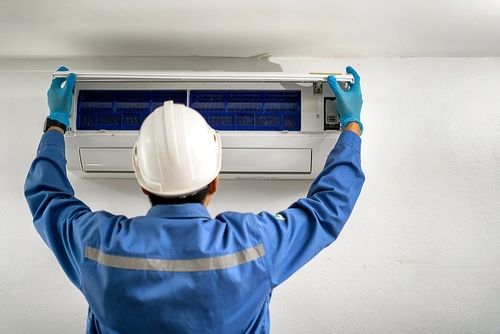
A single service call when temperatures rise might save trouble later. Comfort stays steady through summer if checkups happen regularly. Experts spot small issues before they grow. Cool air flows easier after a technician visits. Machines last longer with clean parts and fresh inspections. Bills creep lower once systems run without strain. Sleep improves knowing the unit won’t fail overnight. Small effort now prevents chaos mid-heatwave. Trusted hands fine-tune what matters most indoors. Predictable performance begins with someone watching closely.
Read Best Temperature Settings to Save Electricity in Summer
Follow us on: Instagram