
Air conditioning makes our homes comfortable, and our places of work productive. However, most individuals believe that the process of servicing the units in the two environments is similar. As a matter of fact, maintenance requirements, complexity of the system, utilization patterns and service processes may vary radically. The awareness of these differences can assist homeowners, facility managers, and business owners to select the appropriate service plan, avoid failures, and save energy.
This guide will make a comparison between home and office AC servicing, list what each service will entail, frequency of each service required and why professional service is so important in any setting.
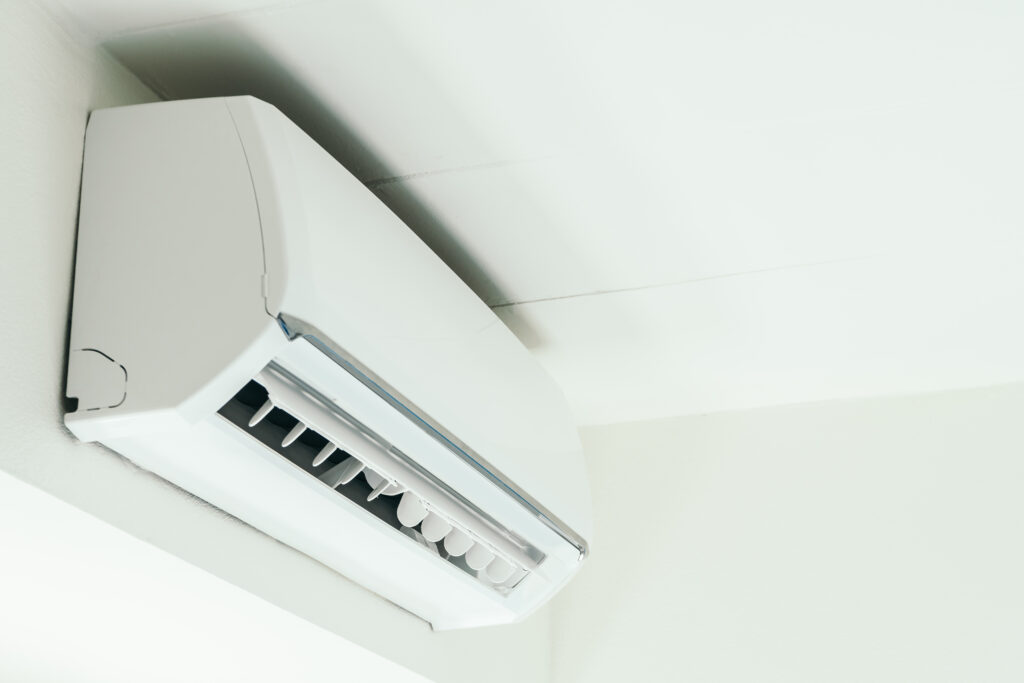
Why Servicing of AC is Important in any environment.
Routine service has a number of advantages:
- Keeps cooling efficient
- Lowers electricity bills
- Improves indoor air quality
- Extends equipment life
- Reduces breakdown risk
- Provides safe electrical usage.
The way towards every advantage varies depending on the surroundings of the unit.
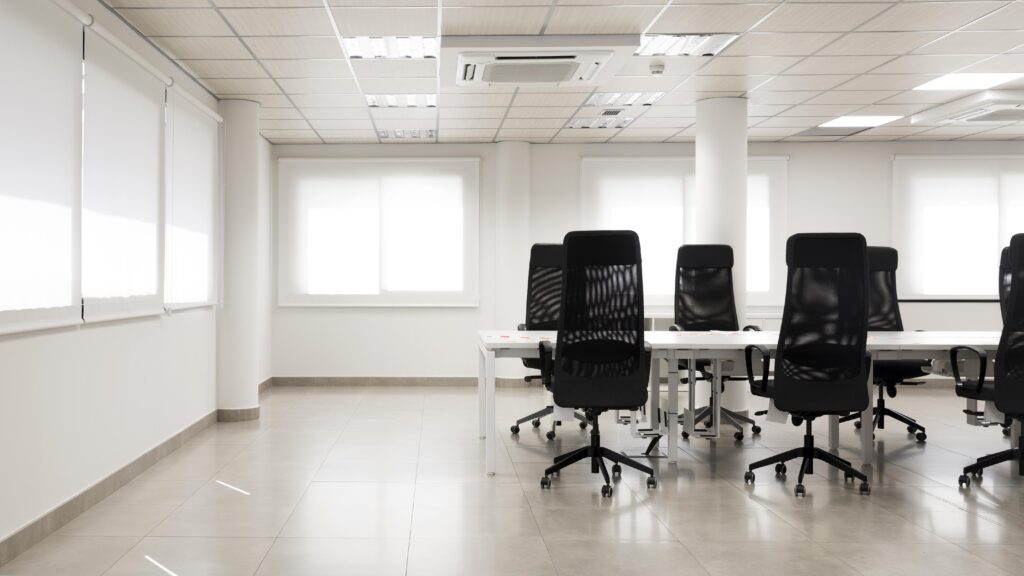
Major Dissimilarities in Home and Office AC Servicing.
- Usage Hours and Load
Home AC operates approximately 6-12 hours each day typically at evening and night, and is only used seasonally in most locations. The carrying is less and there are not so many people inside.
Office AC frequently has a 8-14 hours per day operating period, and in IT settings, 24×7 operation, and operates all year long. Occupancy causes increased heat load and it requires sustained performance.
Conclusion: There should be increased frequency of offices. - Type of AC Systems Used
Residential systems typically consist of split or window units and mini models of inverters which are serving single rooms.
Office systems are bigger, centralized systems cassettes, ducted split, packaged, VRF/VRV or full HVAC systems which cools more than one room at a time. - Frequency of Servicing
Routine maintenance is normally required in home AC and once prior to the summer season and twice annually when heavy use occurs.
To ensure constant operation, office AC is served quarterly, monthly in the high-load zones, and serviced under preventative maintenance contracts (AMCs). - Air Quality Requirements
Home emphasis: elimination of dust, reduction of allergies, comfort. The level of air pollution is average.
Office concentration: work collaborations, performance, health guidelines, and infection risks. Advanced duct cleaning and filtration checks are therefore considered a part of offices. - System Complexity
The residential systems are less complex, and technicians can have access to fewer components, hence, rapid services.
Commercial systems are complicated to control, have more than one interior unit, have extensive ductwork, central monitoring, and special parts. They need qualified experts in HVAC. - Electrical Checks and Electricity Tests.
Office units have higher capacities and voltages, require load balancing, circuit testing, check of control panel and backup system. The home units are less demanding in terms of electrical inspection. - Cooling Consistency Requirements.
Houses are accommodating to small temperature changes. Offices require close-fitting, steady cooling to ensure comfort, protection of equipment, data center, and conference rooms. Little glitches have the ability to ruin the business. - Downtime Impact
Home AC breakdowns are inconvenience only and can be typically handled in the short run. Failure of offices may put work on hold, decrease productivity, a customer, and destroy sensitive equipment. - Maintenance Documentation
Home service hardly involves documentation. Offices have service records, compliance records, AMC records, energy audit, and safety reports- important in the management of the facility. - Cost Structure
Home servicing is cheaper, charged per visit and it involves a small amount of spare parts. Office servicing is larger due to the scale, annual contracts, spare parts inventory, and emergency assistance but preventive work reduces long-term costs.
What is Generally Included in Home AC Servicing.
- Cleaning or changing of filters.
- Indoor unit cleaning
- Outdoor unit cleaning
- Drain pipe clearing
- Refrigerant check
- Electrical inspection
- Performance testing
Time: 30–90 minutes per unit.
Overview of what Office AC Servicing entails normally.
- System‑wide inspection
- Duct cleaning
- Replacement of several units filters.
- Cooling load verification
- Thermostat calibration
- Inspection of electrical panel.
- Refrigerant balancing
- Airflow measurement
- Control system testing
- Preventive repairs
Duration: a few hours to several days.
Possible Air Quality in the Office.
Failure to maintain can lead to sick building syndrome, allergies, headaches, fatigue, loss of concentration and spread of germs by the employees. Periodic maintenance makes the work place healthy.
Differences in Energy Efficiency.
Offices consume much more power. Correct servicing reduces operating expenses, balances loads, enhances efficiency and also reduces carbon footprints- translating into large financial savings.
Special IT Office and Data Centers Requirements.
Here, cooling is mission critical. Service involves accuracy checks of the systems, back-up checks, active checks and redundancy tests. Minor overheating can cause a breakage in equipment.
Noise Control Needs
Homes want quiet operation. In offices there is a need of low noise, balanced airflow and non vibration mounting. All these needs are met by service.
When Very Simple Home AC Servicing Turns into Office Maintenance.
Commercial-style maintenance may be required in large houses or villas with central systems: duct cleaning, zoning inspection, balancing the central thermostat, repair of high-capacity equipment.
Indications Your Home or Office Air Conditioning Requires Urgent Repairs.
- Weak cooling
- Unusual noise
- Water leakage
- High electricity bills
- Bad odors
- Frequent breakdowns
- Uneven temperature
And failure to observe these indicators may result in an expensive repair.
Guidelines in Selecting the appropriate Service Plan.
For Homes
- Servicing annually or biannually.
- Pre‑summer maintenance
- Regular filter cleaning
For Offices
- Preventive maintenance contract.
- Regular inspections
- Availability of emergency assistance.
- Professional heating ventilation and air conditioning experts.
Advantages of Periodical Servicing in Both Environments.
- Reliable cooling
- Better air quality
- Lower energy costs
- Longer equipment life
- Fewer unexpected failures
- Safer operation
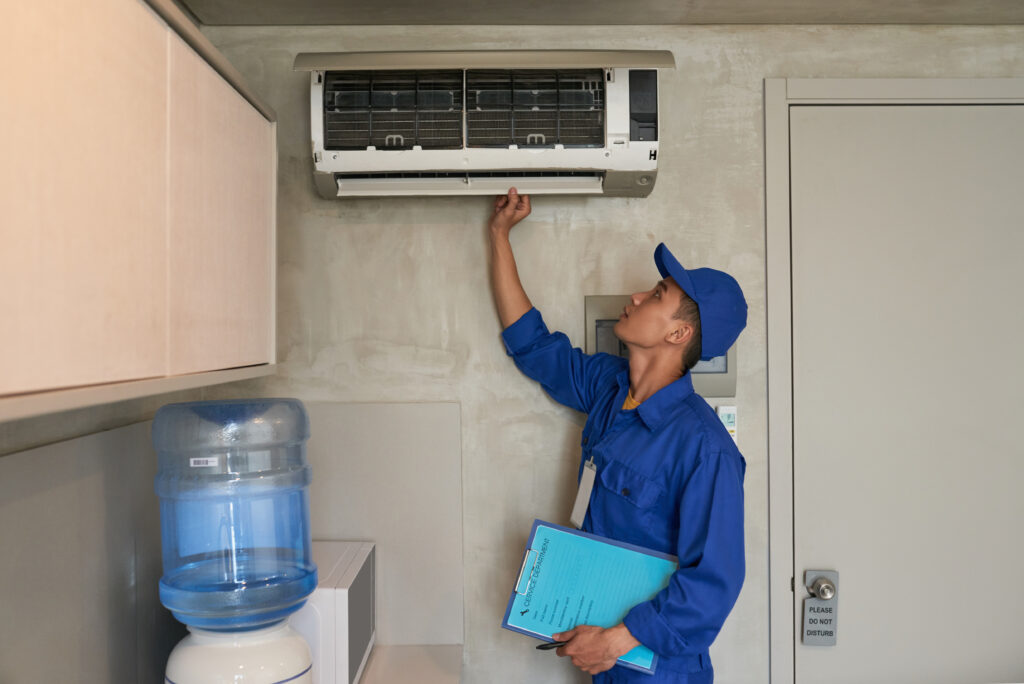
Conclusion
The homes and offices require the services of the air conditioning systems, yet their maintenance requirements vary significantly due to the use patterns, complexity of the systems, occupancy, and operating requirements.
Home AC is concerned with seasonal operation and simple maintenance. Office AC requires a high level of preventive care, which is rather regular and thorough to prevent lack of work and to ensure well-organized, healthy working conditions.
Whether it is in the home or the office, routine professional maintenance ensures maximum efficiency, reduces costs, and makes it reliable in the long run.
Read 5 Smart AC Maintenance That Actually Work
follow Us on : Instagram